
Common Myths and Misconceptions About Slot Machines (And Why They Empty Wallets)
I’ve watched people pat a slot machine like it’s a nervous dog. “She’s due,” they whisper, like the cabinet is about to apologize and start paying rent.
I’ve also been that person. Not proud. Just honest.
Slot myths stick because our brains hate randomness. We want patterns, rules, little cheat codes. Mix that with gambler’s fallacy (thinking a loss streak must “flip” into a win) and confirmation bias (remembering the one time your “system” worked, forgetting the 47 times it didn’t), and you get a whole mythology built out of vibes.
Here’s the calm truth: slots run on RNGs, each spin is independent, and this post separates harmless superstition from the expensive stuff that keeps people chasing.
How slot machines really work (the simple version)
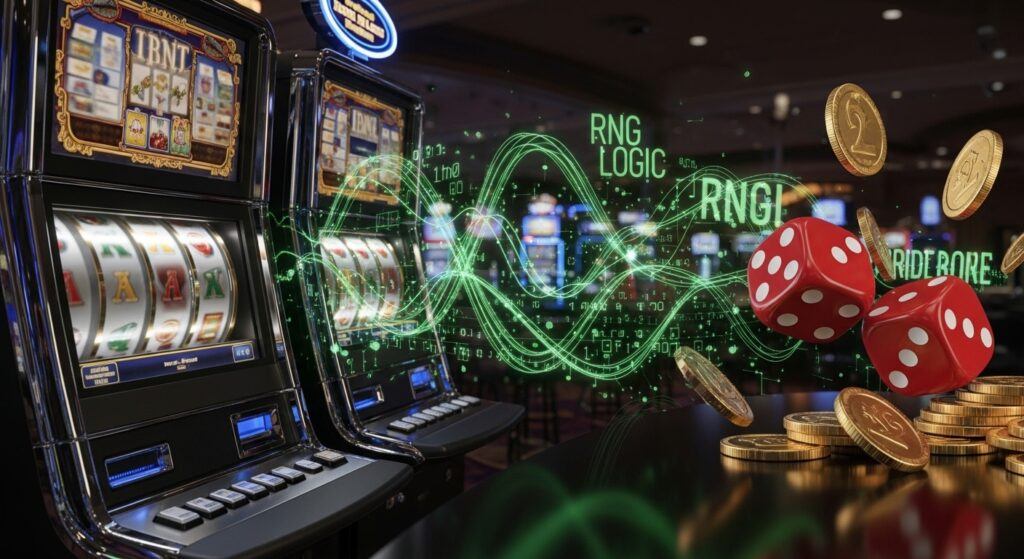
A modern slot machine is basically a flashy randomizer with sound effects. The core is an RNG (random number generator), software that produces random outcomes continuously, not just when you press spin. When you hit the button (or pull the lever, if you prefer the dramatic version), the game draws a random result and shows it to you as spinning reels.
That’s why the reels feel like a “show.” The outcome isn’t being negotiated while the symbols bounce around. It’s already picked.
In regulated markets, games are typically tested and audited by independent labs. Casinos and operators can’t just wake up on Saturday and decide, “Let’s tighten the machines because brunch was slow.” They can choose which games to offer and (depending on jurisdiction) which approved configurations to install, but live, on-the-fly rigging is a different story. It’s hard to do, easy to detect, and a great way to get crushed by regulators.
Two other terms matter if you’re trying to be a little less wrong than the crowd:
- RTP (return to player) is a long-run average across a massive number of spins, not a promise that you personally will “get it back.”
- Volatility is how swingy the ride feels, small frequent hits versus long dry spells with occasional big wins.
RNG means every spin is a fresh roll of the dice
Think of each spin like a dice roll. Rolling three 2s in a row doesn’t make a 6 “due.” The die doesn’t keep a diary.
Slots work the same way. Your last 50 spins can be brutal, or weirdly lucky, and the next spin still doesn’t “care.” The machine isn’t building toward a moment. It’s just generating outcomes, one at a time, like flipping a coin that never learns.
RTP and volatility, what they do and do not tell you
A slot with 96 percent RTP doesn’t mean you personally get 96 cents back per dollar today, or this week, or ever. It means that over a huge sample size (think millions of spins across many players), the game is designed to return about that amount, on average.
Volatility explains why two games can share a similar RTP but feel nothing alike. One might drip small wins to keep you seated. Another might stay cold for ages, then smash you with a big bonus (or… not). Same basic math over time, totally different emotional experience in the moment.
The biggest slot myths that keep players stuck
These myths don’t just waste time. They mess with how you bet, how long you sit there, and how stubborn you get. That’s the costly part.
“This machine is hot” and “that one is due” (why both ideas fail)
“Hot” and “cold” machines are just stories we tell after the fact. If a machine pays a few times near you, it becomes “hot.” If it eats your money, it becomes “cold.” It feels real because your brain is a pattern-hunting bloodhound, and it will sniff out meaning in pure noise.
The “due” idea is the gambler’s fallacy in a trench coat. Losing for an hour doesn’t increase the odds that the next spin will hit. It just increases the odds that you’re irritated, and irritation is where budgets go to die.
Practical takeaway: if you’re switching machines because you think you’ve “used up” the bad luck on one, you’re paying extra tuition for a lesson you already bought.
“I can time it” and “the stop button helps” (the illusion of control)
The stop button is a magician’s wand. It makes you feel involved.
On most modern slots, the result is decided when you start the spin. Stopping the reels early just changes how fast you see the outcome. Same outcome, shorter animation. That’s it.
Same goes for “timing” the spin, tapping the screen, waiting for the bonus music, or hitting spin right as someone walks by with a margarita the size of a fishbowl. It’s comforting, and I get it, but comfort isn’t a strategy.
Practical takeaway: if your plan depends on reflexes, it’s probably just a ritual.
“Casinos change payouts based on the crowd” and other rigging rumors
The weekend-tightening rumor is popular because it sounds like something a villain would do. And casinos are businesses, so people assume the worst.
But in regulated settings, machines are tested, certified, and audited. Casinos can select approved games and configurations, but they generally can’t flip a switch at 9 PM because the place is packed. The same goes for “late night pays more” or “quieter hours are looser.” The RNG doesn’t know what time it is.
Location myths fall in here too: “loose slots are by the entrance,” “the back wall is stingy,” “near the bar pays better.” Machines don’t get braver near foot traffic. They just sit where they’re placed.
Practical takeaway: don’t waste a night doing casino feng shui.
“Max bet, higher denom, or a players card will boost my odds” (what really changes)
Max bet doesn’t “guarantee” anything. It can change what you’re eligible for, though. Some games require a minimum bet to qualify for certain jackpots or features, especially on linked progressives. That’s not better luck, it’s simply a different prize menu.
If you want a real example of how bet size can affect jackpot eligibility (without changing randomness), see this Dragon Link slot machine guide and RTP details. It lays out the common “you must bet X to qualify” setup you’ll see on those cabinets.
Higher denomination can mean bigger swings, and sometimes different paytables depending on the machine. But it doesn’t turn random into predictable.
And players cards? Same deal. They track play for comps and rewards. They don’t reach into the RNG and slap a win onto your next spin.
Practical takeaway: bet size changes cost and potential payout, not the laws of probability.
What to do instead, play smarter without chasing “systems”
Look, I’m not here to lecture anyone into sainthood. Slots are entertainment. Sometimes you want the lights and the noise and that tiny spark of “what if.”
Just don’t mix entertainment with a rescue mission for your bankroll.
If you want a simple way to keep myths from driving the car, focus on what you can control: your budget, your time, and your expectations. Pick higher RTP games when that info is available, choose volatility you can stomach without tilting, and read the paytable before you start firing bigger bets like you’re testing a flamethrower.
Most importantly, don’t chase losses. Chasing turns a fun session into a weird emotional job you didn’t apply for.
A quick pre-spin checklist that keeps the game fun
- Bankroll limit: decide the max you’re willing to lose, then treat it like a wall.
- Session timer: set a time cap, even if it’s just 30 minutes.
- Bet size: pick a bet you can repeat without panic.
- Read the paytable: know what actually triggers bonuses and what doesn’t.
- Jackpot rules: check if a minimum bet is required for Major or Grand tiers.
- Walk-away plan: choose a win point and a loss point, then leave when you hit either.
Conclusion
Most slot “tricks” are just stories with good marketing. The RNG makes spins independent, so hot machines, payout cycles, lucky times, stop-button wizardry, and loyalty-card paranoia don’t hold up when you look closely.
Keep the harmless rituals if you like them. Wear the lucky hoodie. Tap the screen. Whatever. Just don’t confuse fun with a method.
If you play with a budget, understand RTP and volatility, and refuse to chase losses, you’ll dodge the myths that bankrupt people. And you’ll sleep better, which is a wildly underrated jackpot.