Why a Slot Machine Is Never “Due”, Even When It Looks Ready
You know the scene. Two jackpot symbols land, the third one slides past like it’s late for work, and someone behind you mutters, “That machine’s getting ready to pay.” I’ve said it too, with full confidence, like I’m reading tea leaves instead of blinking lights.
And look, people have real stories. Player cards. Timing. “It hit right after I left.” I’m not here to dunk on anyone’s lived experience. I’m here to separate the feeling from the math, because modern slots are built so a machine isn’t “due”, even when it’s acting flirty.
What “due” really means, and the brain glitch behind it
When we say a slot is “due,” we mean this: “I’ve lost long enough that a win has to be next.” That’s the same mistake people make with coin flips. If heads hits five times, your brain starts yelling, “Tails is coming.” But the coin doesn’t care. It has no shame, no memory, no urge to be fair.
Slots work the same way in regulated markets. The last 50 spins don’t raise the odds on spin 51. You just feel like they should.
Why streaks and dry spells feel like proof, even when they are normal
Randomness clumps. It does that annoying thing where you’ll see three bonuses close together, then nothing for ages. We remember the pain and the near-misses, and we forget the boring “nothing” spins because they’re not a story.
That’s confirmation bias in plain clothes. Your brain keeps receipts for drama, not for math.
How modern slot machines pick outcomes, and why each spin stands alone
A modern slot uses an RNG (random number generator). It’s constantly spitting out numbers, even when nobody’s playing. When you press Spin, the game grabs one tiny “snapshot” of that stream and maps it to a result. The reels you see are basically a show; the decision has already been made. Visual animations mean absolutely nothing; they are basically there for entertainment.
Also, those are usually virtual reels, not old-school physical stops. That lets designers weigh symbols in a way that creates many “almost” moments without changing your actual odds.
Near-misses, disappearing symbols, and other “ready to hit” illusions
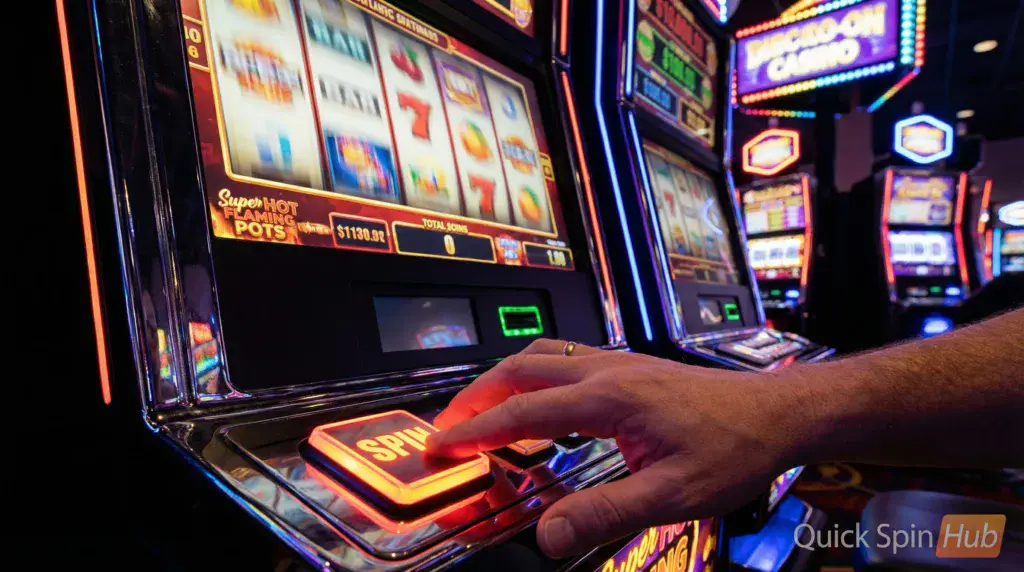
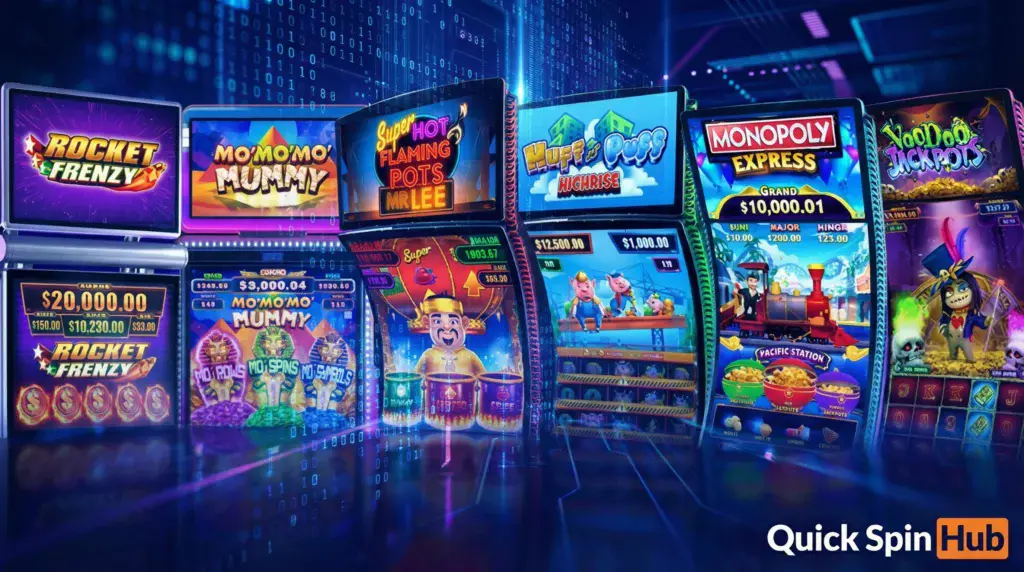
Seeing two jackpot symbols and missing the third isn’t proof that the machine is warming up. It’s often a mix of symbol weighting and how the animations present outcomes. Same with “that symbol vanished for 20 minutes, then showed up everywhere.” That can happen in random sequences, and it can also be how a game’s math is packaged visually. A good example of this is the Top Dollar and Pinball machines.
Either way, it doesn’t mean you found a tell.
What can change the experience (RTP, volatility, must-hit progressives), and what cannot
RTP and volatility matter, but not the way “due” people want. RTP is a long-run average (think in terms of millions of spins), not a promise for your Tuesday night. Volatility is how bumpy the ride feels, low volatility drips small wins, high volatility goes quiet then swings hard.
Must-hit progressives are the one wrinkle people should know. The jackpot is guaranteed to trigger before a set cap, usually using a hidden threshold. Still, you can’t read that moment from the reels, and it can sit near the top longer than your bankroll. I am sorry to announce that it too is totally random
People also suspect player cards and “ops room control.” In licensed markets, odds are set, logged, and audited by testing labs, so your safest move is sticking with reputable, regulated operators.
A simple reality check you can use at the machine
- Ask one rude question: “Did the odds actually change, or am I just mad?”
- Treat each spin like a fresh coin flip: no make-up calls, no debt.
- Pick a stop point first: chasing turns smart people into poetry writers (“it felt ready…”).
The Final Spin on This Article
A slot machine isn’t “due” because each spin stands alone. Streaks happen, dry spells happen, and near-misses are expected, not prophetic. RTP and volatility shape the long haul and the vibe, but they don’t create a magic “ready” moment you can spot with your eyes.
Gamble for fun, not to attempt to make money, is the best advice I can offer. Set a budget, treat slots like paid entertainment, and when your thoughts shift from “fun” to “I’m owed,” cash out and walk. That’s the real edge.